
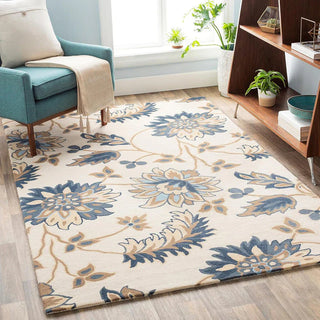
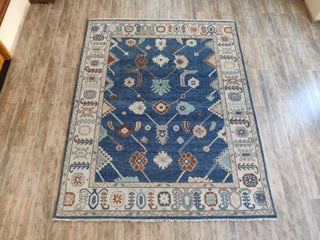

A living room rug anchors your layout, softens hard surfaces, improves acoustics, and sets the tone for your decor—while adding durability and easy maintenance for daily life. The right construction, size, and pattern elevates comfort and style for modern, classic, and creative spaces.
This guide compares hand tufted vs hand knotted rugs, highlights abstract and traditional styles, and explains how round, runner, and irregular shaped rugs work in real homes. You’ll learn foolproof sizing rules, kid-and-pet-friendly materials, and simple care steps to keep your rug fresh for years.
Why the right living room rug matters
A well-chosen rug unifies seating, frames sofas and chairs, balances proportions, and creates a cozy, layered feel underfoot—especially useful for open-plan layouts where rugs visually zone the room. It also absorbs sound on hard floors, protects surfaces from wear, and offers a safer, softer surface for kids and pets.
Rug constructions for living rooms
Hand tufted rugs
Tufting tool inserts yarn into a fabric base, then latex and backing finish the rug. Expect plush comfort, sculpted texture, and crisp patterns at accessible prices—perfect for soft, contemporary living rooms.
Hand knotted rugs
Knotted by hand on a loom for heirloom durability, nuanced color, and intricate detail. Best where longevity, craftsmanship, and a showpiece focal point matter.
Flatweave and machine-made
Flatweaves (kilims, dhurries) are thin and breathable; machine-made options offer uniformity and simple care. Both suit casual or high-traffic living rooms.
Living room rug styles and how to use them
Abstract rugs
Add movement and an artful edge—energize minimalist rooms or unify eclectic decor with a cohesive palette.
Traditional rugs
Medallions, florals, and borders bring heritage and warmth—great with modern furniture for rich contrast.
Geometrical rugs
Linear patterns add structure and rhythm, ideal for contemporary layouts.
Floral rugs
From soft to bold, florals make rooms welcoming. Large motifs feel modern; small florals read classic.
Anime rugs
Graphic, character-driven designs for creative living rooms, studios, or media corners.
Irregular shaped rugs
Organic silhouettes break the rectangle rule—define reading nooks or small seating clusters.
Round rugs
Perfect for centering vignettes, softening angles, and pairing with round coffee tables.
Solid carpets
Monochrome textures let furniture shine; choose cut-and-loop for subtle depth and a luxe look.
Best materials for living rooms
Wool
Naturally resilient, soft, and stain-resistant with rich color—ideal for most households.
Wool blends
Balanced durability and value—premium feel for busy spaces.
Viscose/Bamboo silk
High sheen and silky hand—best in low-traffic rooms; avoid moisture.
Cotton
Light, breathable, casual—rotate regularly to manage wear.
Jute
Earthy, neutral texture—layer under smaller rugs or use for coastal/natural styles.
[Outbound reference placeholder: add a reputable interiors/textile resource on fiber care and maintenance.]
Sizing your living room rug
Standard layouts
Start at 8×10 so front legs of seating sit on the rug; for larger rooms, 9×12 or bigger keeps the setup unified.
Furniture footprint rule
Choose a rug wider than your sofa, extending a few inches on both sides to avoid a cramped look.
Wall clearance
Leave 10–18 inches of hard flooring around the perimeter for a framed, non–wall-to-wall effect.
Color, pattern, and texture strategies
Coordinate your palette
Echo 1–2 colors from a hero element (sofa, art, curtains) for cohesion.
Tone vs traffic
Use lighter tones to brighten compact rooms; opt for deeper hues/patterns to hide wear.
Tactile layering
Mix pile heights; carved tufting adds dimension and shadow play around a coffee table.
Care and longevity
Weekly habits
Vacuum weekly with suction-only or high-setting beater bar to protect fibers.
Rotation
Rotate every six months to balance sun and foot traffic.
Spill protocol
Blot immediately; avoid harsh rubbing to prevent fiber damage.
Rug pad
Use a quality pad to prevent slipping, protect floors, and extend rug life.
Shop by living room category
-
Hand Tufted Rugs: Plush comfort and sculpted detail for modern rooms.
-
Hand Knotted Rugs: Investment pieces with depth and heirloom appeal.
-
Abstract Rugs: Painterly focal points for creative spaces.
-
Traditional Rugs: Heritage patterns that add warmth and balance.
-
Geometrical Rugs: Clean lines and rhythm for contemporary styling.
-
Floral Rugs: Romantic or bold expressions for welcoming rooms.
-
Irregular Shaped Rugs: Sculptural edges for seating clusters.
-
Round Rugs: Centered layouts and small living zones.
-
Runner Rugs: Along sectional edges or entry-to-living transitions.
-
Solid Carpets: Understated luxury when texture is the hero.
Internal link
Explore curated living room rug picks and sizes (including plush hand tufted): https://carpetplanet.co/collections/living-room
Quick comparisons
Hand tufted vs hand knotted
Hand tufted: plush, carved, budget-friendlier, modern patterns. Hand knotted: longevity, intricate detail, heirloom value for formal or collector spaces.
Abstract vs traditional
Abstract: gallery feel, great with minimalist furniture and neutral walls. Traditional: symmetry and warmth, balances modern pieces with classic elegance.
Round vs rectangular
Round: centers small seating areas, softens angles, ideal under circular tables. Rectangular: the versatile standard for larger setups and sectionals.
Irregular shaped vs solid
Irregular: sculptural impact and editorial flair. Solid: quiet, monochrome luxury where texture leads.
Use cases
Modern family living room
Wool-rich hand tufted rug in a mid-tone neutral hides wear and adds plush comfort; pair with geometric cushions and a textured throw.
Minimalist apartment
Solid or geometrical rug in a light tone opens up the room; carved tufting adds subtle texture without visual noise.
Creative studio living room
Abstract rug connects art walls to seating—keep furniture lines simple so the rug remains the focal point.
Classic-meets-contemporary
Layer a jute flatweave with a smaller traditional rug—pattern on top, traction and warmth beneath.
Small-space seating nook
Round rug under a compact sofa and café table to soften edges and center the vignette; add a floor lamp and plant.
Open-plan zoning
Large rectangular rug beneath sofa, chairs, and coffee table; keep 10–18 inches of visible floor around.
High-traffic households
Dense wool hand tufted or low-pile hand knotted; mid-tones and subtle patterns hide stains; rug pad reduces wear.
FAQ
What size living room rug should I buy?
Start with 8×10 for standard sets so front legs sit on the rug; size up to 9×12 for larger layouts.
Are hand tufted rugs durable?
Quality wool-rich tufted rugs last for years with regular care and a proper rug pad.
Why choose hand knotted for a living room?
Heirloom durability, intricate detailing, and refined drape that elevates formal spaces.
Which patterns suit modern rooms?
Abstract and geometrical designs add movement and structure; traditional adds depth and warmth to modern furniture.
Do round rugs work in living rooms?
Yes—ideal for smaller seating areas, round tables, and softening angular layouts.
How to keep a rug clean?
Vacuum weekly, rotate every six months, blot spills quickly; use a good rug pad.
Are solid rugs boring?
Not with cut-and-loop texture or heathered yarns—quiet luxury that layers well with patterned cushions.
Best materials for kids and pets?
Wool and wool blends for resilience, stain resistance, and comfort; mid-tone patterns hide wear.
Conclusion
A well-chosen living room rug pulls your space together, boosts comfort, and expresses your style—whether sculpted hand tufted, heirloom hand knotted, or modern abstract. Size to anchor seating, match materials to lifestyle, and coordinate patterns with your color story—then shop curated living room rugs to find your perfect fit.